-
A Practical Guide to Goat Breeding and the Kidding Season
Breeding is where a goat herd either grows in quality or slowly drifts downhill. Every kidding is a chance to improve the herd, but it is also the moment of greatest risk to both the doe and her offspring. A farmer who plans matings deliberately, manages the pregnant doe well, and is ready and calm…
-
Routine Hoof Care and Preventing Lameness in the Herd
Lameness is one of the most common and most underestimated problems in goat keeping. A limping goat eats less, moves less, breeds poorly, and loses condition quickly, yet the underlying cause is very often nothing more than neglected hooves. In the soft, wet ground of the Southeast Asian rainy season, horn grows fast and stays…
-
Rotational Grazing and Getting the Most from Browse

Feed is the largest running cost in almost any goat operation, and pasture and browse are the cheapest feed there is. Yet a great deal of that free feed is wasted through careless grazing management. Goats turned loose on the same patch of ground day after day trample and foul more than they eat, the…
-
Building a Healthy Goat Herd From the Ground Up

Starting a goat herd is one of the more rewarding entry points into livestock farming, but the decisions you make in the first few months tend to echo through the entire life of your operation. Goats are intelligent, social, and surprisingly hardy animals, yet they punish careless management more quickly than cattle or sheep. A…
-
Understanding Goat Nutrition Through the Seasons
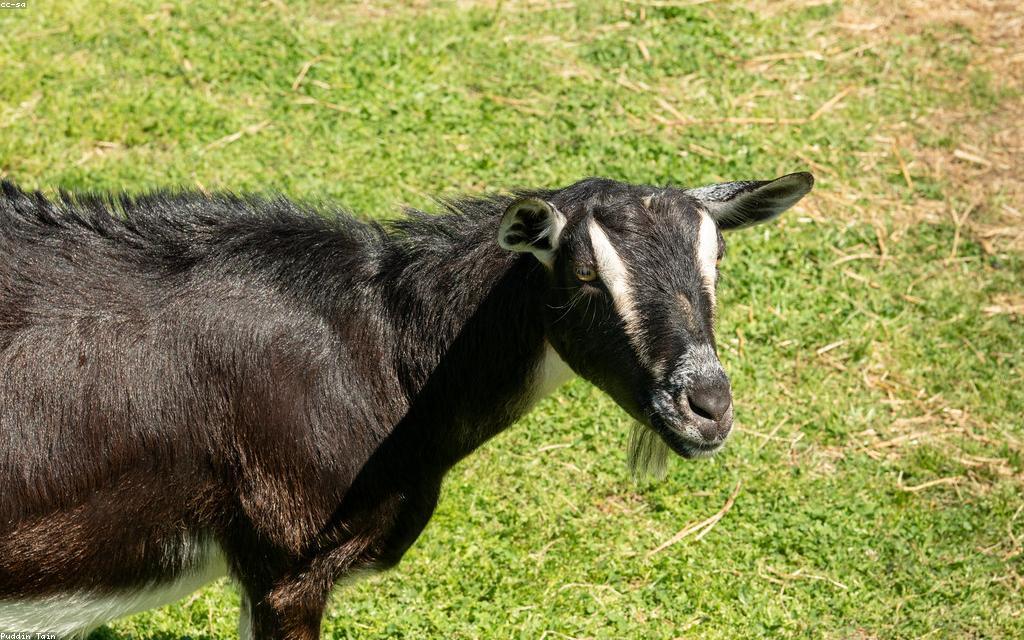
Feeding goats well is less about following a fixed recipe and more about reading the animal in front of you and adjusting to the calendar. A goat’s nutritional needs shift dramatically across the year, driven by pregnancy, lactation, growth, weather, and the changing quality of available forage. Farmers who feed the same ration in February…
-
Recognizing and Managing Internal Parasites in Goats
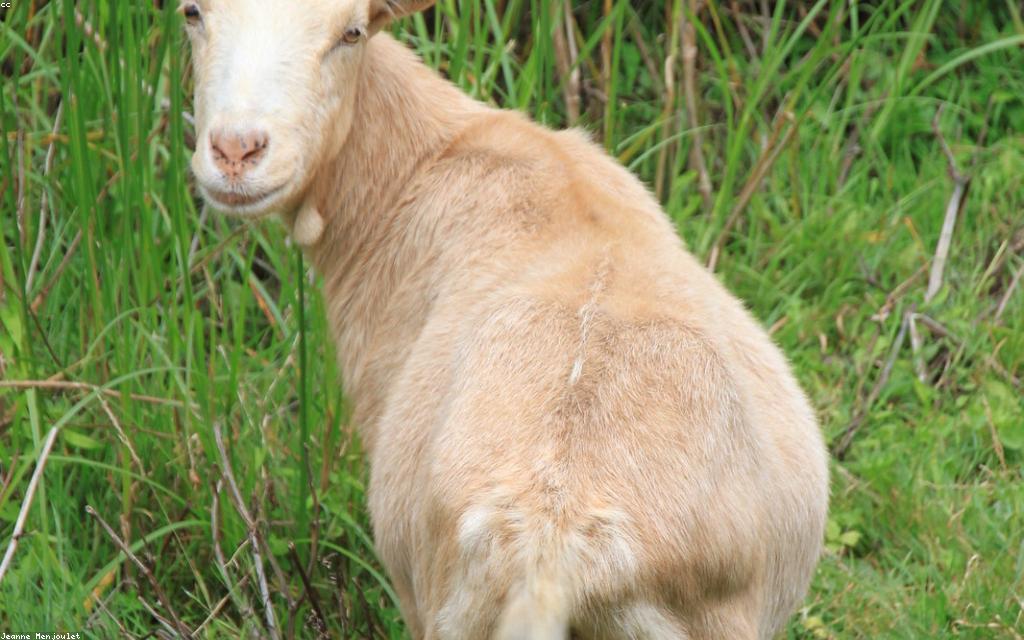
Of all the health challenges facing goat farmers, internal parasites are arguably the most persistent and the most costly. Worm infections quietly drain animals of nutrients, suppress growth, reduce milk production, and in severe cases kill quickly. Compounding the problem, decades of routine deworming have produced parasite populations resistant to many available drugs. Successful parasite…
-
What to Expect During Kidding Season

Kidding season is the most anticipated and the most nerve-wracking time of the year on a goat farm. Months of careful breeding and feeding culminate in a few intense weeks of births, and the difference between a smooth season and a heartbreaking one often comes down to preparation and knowing what is normal. While the…
-
Hoof Care and Lameness Prevention in Goats
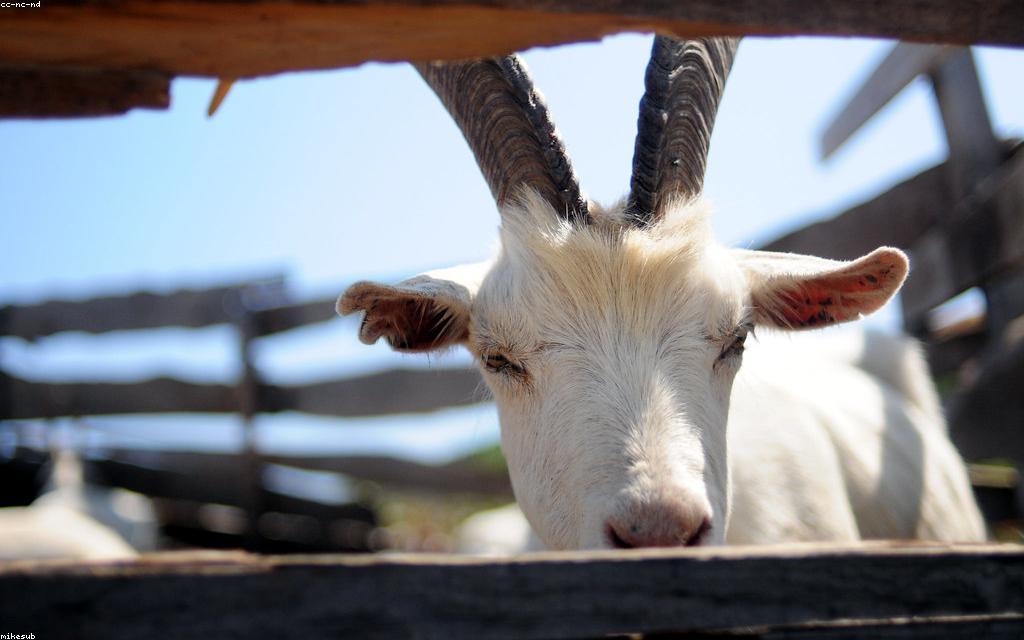
Lameness is one of the most common and most overlooked welfare problems in goat herds. A lame goat eats less, falls behind the herd, loses condition, and becomes more vulnerable to other illnesses, yet the underlying causes are usually preventable with consistent foot care. Goats evolved on rocky, arid terrain that naturally wore down their…
-
Setting Up Rotational Grazing for Goats
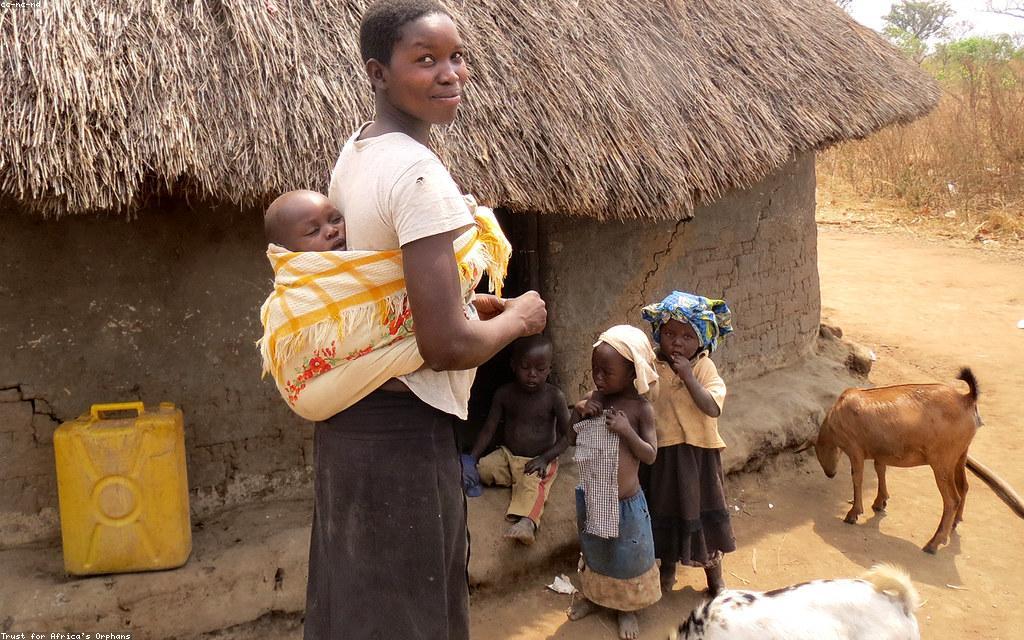
Rotational grazing is one of the most powerful management practices available to goat farmers, simultaneously improving pasture health, animal nutrition, and parasite control. Rather than allowing goats to roam a single large area continuously, rotational grazing divides land into smaller paddocks and moves animals through them in a planned sequence. The concept sounds simple, but…
-
Producing Clean, High-Quality Goat Milk at Home
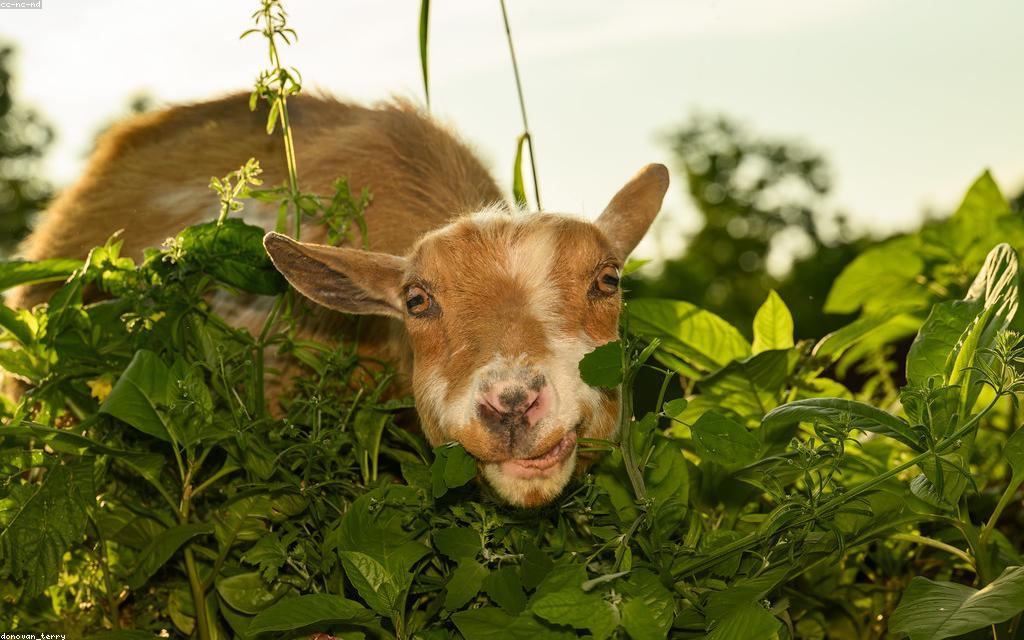
For many smallholders, the daily ritual of milking goats is one of the great pleasures of livestock keeping, yielding fresh milk for drinking, cheese, yogurt, and soap. But producing milk that is genuinely clean, safe, and good-tasting takes more than simply squeezing the udder. Milk quality is determined by the health of the doe, the…
-
Designing Shelter and Fencing That Keeps Goats Safe

Anyone who has kept goats for more than a week learns quickly that these animals test every boundary, exploit every weakness, and find comfort in the most surprising places. Providing proper shelter and secure fencing is therefore not just a matter of convenience but of welfare, health, and the farmer’s sanity. Goats are escape artists…